Unveiling A Night in a Church: The Terrifying Tale of Cornelius Conway Felton
In the world of ghost stories, few tales grip the imagination like "A Night in a Church." This eerie narrative, published anonymously in 1831, weaves a haunting tale that echoes through time. The author behind this chilling story, Cornelius Conway Felton, led a fascinating life that intersects with the themes of fear and the supernatural. Let's explore the origins of this ghost story, its influence on literature, and why it continues to send shivers down readers' spines today. A Night in a Church is one of the most horrific ghost stories of its kind for the first half of the 19th century, and it has a storied (every pun intended) past.
The Mysterious Author
Cornelius Conway Felton was born in 1807 and became a key figure in academia, eventually serving as president of Harvard College. Before this, he was a promising writer. Using the pseudonym C.C.F., Felton penned "A Night in a Church" at just 24 years old. Published at a time when horror literature was beginning to take off, Felton's work made a significant impact on the genre.
Choosing to write anonymously adds a layer of intrigue to the tale. Readers are left to wonder about the author's identity and motivations. This mystery keeps the conversation alive among literary enthusiasts and ghost story fans, making the story more compelling.
The Story Unfolds
"A Night in a Church" goes beyond a standard ghost story; it probes deep into the nature of fear and the unknown. The protagonist finds himself alone in a church at night—a setting typically associated with safety and comfort. However, Felton subverts this expectation, turning a sacred space into a source of terror.
As the story progresses, the protagonist experiences unsettling events that shake his grip on reality. Shadows shift, strange whispers echo, and the church seems to pulse with a life of its own. Felton skillfully builds tension, creating a world where the distinction between the living and the dead becomes increasingly blurred.
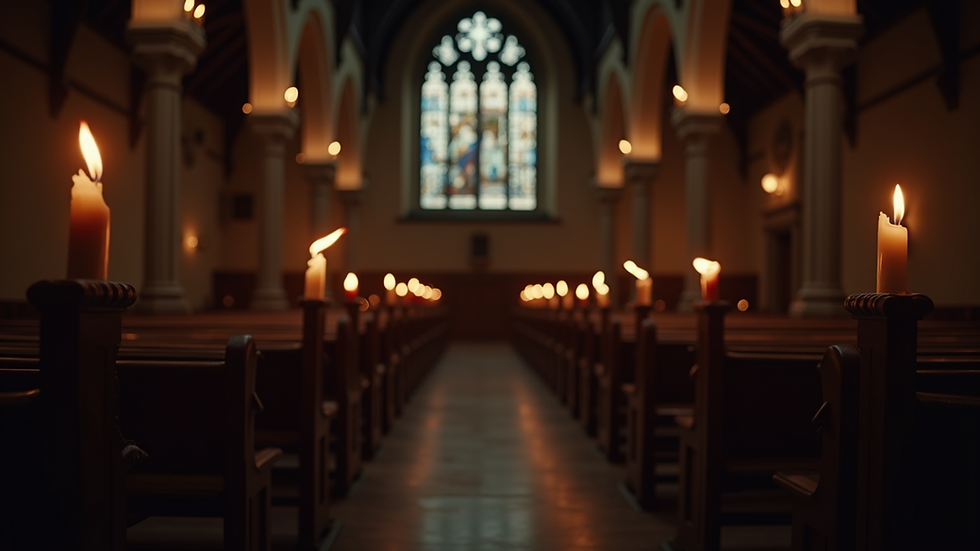
Imagine sitting in a dimly lit church, every creak of the wood amplifying your heartbeat. As unsettling noises fill the air, you can't help but feel a sense of dread creeping in. This atmosphere is vividly captured through Felton's writing, enhancing the spine-chilling experience.
The Cultural Impact
When it debuted, "A Night in a Church" gained wide acclaim and was republished several times, even into the 1870s, indicating its lasting appeal. The early 19th century was a time of pronounced interest in the supernatural. In fact, studies show that ghost stories were among the most popular forms of literature during this period.
Felton's piece cleverly tapped into the societal fears and anxieties of the time. The early 1800s witnessed significant shifts, including changes in religious beliefs and industrialization. The juxtaposition of fear in a sacred space resonated deeply with readers, prompting them to question their beliefs about life, death, and what lies beyond.
Statistically, more than 60% of people during that era expressed interest in spiritualism and the afterlife, often seeking comfort through ghost stories. Felton's ability to blend psychological depth with horror made "A Night in a Church" stand out among its contemporaries.
A Legacy of Fear
Today, "A Night in a Church" is frequently included in collections of classic ghost stories, such as The Best Ghost Stories 1800-1849. This anthology gives readers insight into Felton's work while exploring the evolution of the ghost story genre during that time.
Felton's narrative endures as a testament to the strength of storytelling. It reminds us that fear can arise in the unlikeliest places. The gripping narrative challenges readers to confront their own fears while illustrating how the past continues to cast shadows on the present.
A Haunting Journey Awaits
"A Night in a Church" is far more than a ghostly tale; it reflects the deeper fears and anxieties of its era, expertly crafted by Cornelius Conway Felton. As we engage with this haunting story, we appreciate the unique ability of literature to evoke strong emotions and stimulate thought. Felton’s dual legacy as a renowned writer and president of Harvard adds an extra layer of fascination, appealing to both scholars and casual readers alike.
As you immerse yourself in "A Night in a Church," prepare for a gripping journey into the unknown. This chilling tale will challenge your notions of fear and make you ponder the shadows we all harbor. Whether you're a seasoned ghost story aficionado or a newcomer, Felton's work promises thrills that linger long after you turn the last page.


Comments